Hotelyte
Hotel guest messaging: the simple guide to one inbox that actually works
Learn what hotel guest messaging is, how a unified inbox works, and how to answer WhatsApp, web chat, and OTA threads without chaos.

What hotel guest messaging actually is
Hotel guest messaging is the way your property talks with people before they arrive, while they are in the building, and after they leave — using the channels they already open on their phones. That usually means WhatsApp, SMS, web chat, email, and the message threads inside Booking.com, Expedia, and other online travel agencies.
The goal is not a louder brand. The goal is a clear conversation that a guest can trust. They ask one question. Someone who knows the stay answers it. The next shift can see what was promised. Nobody has to reconstruct the story from a sticky note and a half-remembered phone call.
Think of messaging as hospitality that happens in text. A warm front desk greeting is still essential. So is a phone that someone picks up when a situation is urgent. Messaging covers the huge middle: the questions that do not need a voice, the updates that should not wait until morning, and the small promises that make a stay feel looked after.
A useful setup covers the whole journey, not only the night of arrival:
- Pre-arrival: parking, check-in time, extra beds, late flights, dietary notes
- In-stay: Wi-Fi, towels, room temperature, restaurant hours, a noisy neighbor
- Departure: bag storage, late checkout, a forgotten charger, a thank-you
- After the stay: a short feedback ask, and a gentle path to book direct next time
When those moments live in one shared place, the team stops playing tab tennis across five screens. Guests stop repeating themselves. The hotel starts to feel organized from the outside, which is exactly how reviews get written.
The real problem: too many inboxes, not enough calm
Almost every independent hotel and small group recognizes the scene. A guest writes on WhatsApp. Another writes inside the Booking.com extranet. A third emails info@. A fourth opens the website chat at 11:40 p.m. because the confirmation PDF buried the phone number. Meanwhile the desk phone rings, a walk-in is waiting, and housekeeping is asking whether room 214 is a stay-over.
Each channel keeps its own history. Morning staff cannot see what night staff promised. The guest manager hears about a complaint only after it becomes a public review. Two people answer the same parking question with two slightly different prices. The guest, who only sees silence, assumes nobody cares.
That chaos is expensive in three quiet ways.
- Slow replies chip away at review scores. Guests rarely write “the thread was unanswered for six hours.” They write “communication was poor,” and that sentence follows the hotel for months.
- Duplicate work burns the hours you wanted to spend on the lobby. Two agents typing the same breakfast answer is not hospitality. It is a tax on a small team.
- Missed revenue hides inside unanswered threads. A guest who asked about a longer weekend, a suite, or a return trip in spring often rebooks on the same OTA because nobody closed the loop.
The pain is not that your team is careless. The pain is that the work is scattered. Humans are good at kindness and bad at watching five inboxes while also checking in a family with a stroller. A messaging system exists so kindness has a place to land.
Tip: If your team keeps a spreadsheet called “messages we might have missed,” you do not have a messaging strategy. You have a scavenger hunt. The first job is to make every guest thread visible in one daily queue.
What guests actually feel
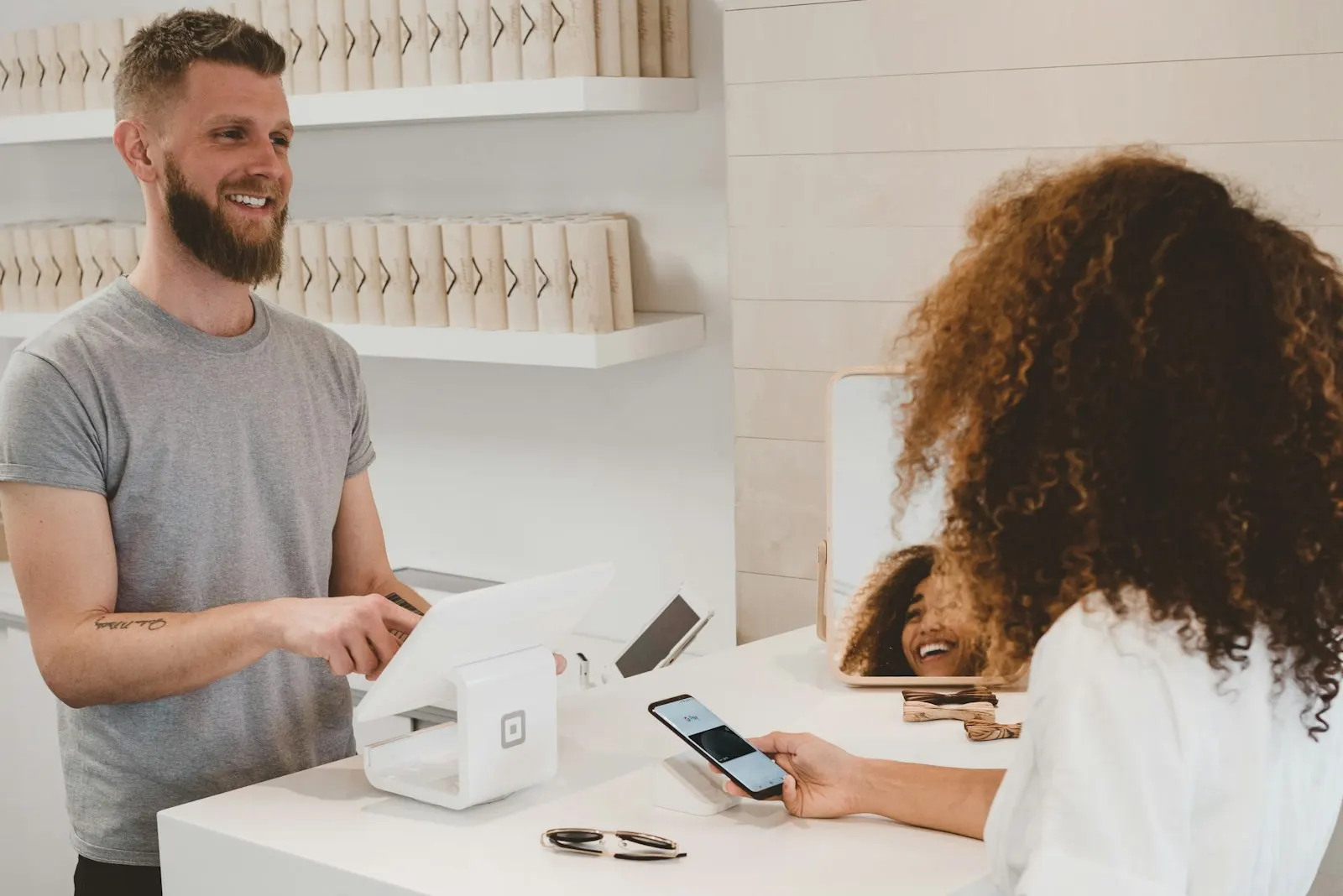
From the guest side, scattered messaging feels like being passed around a building you have not entered yet. They already told the OTA their arrival time. They already emailed a cot request. Then WhatsApp asks them to “share a few details.” Each new channel resets the relationship.
People forgive a small hotel for not having a concierge army. They do not forgive feeling ignored. A two-minute reply that says “Yes, we can store bags until 6 p.m., just leave them with the desk” is worth more than a polished brochure. Speed plus a specific answer is the whole product.
What the night shift feels
Night teams carry a special version of this problem. The extranet might be checked in the morning. Email might sit with reservations. WhatsApp might live on a personal phone that is not even at the desk. A late arrival at 22:10 becomes a gamble: will someone see it before the guest is standing in the rain?
A shared inbox does not magically staff the night. It does make the promise visible. If the thread is in the queue, with the reservation beside it, the person on duty can answer or escalate. Invisible work cannot be owned.
How a unified inbox works
You do not need a technical diagram to understand a good setup. Four layers do the job. If any layer is missing, the others struggle.
Channels come in, one workspace goes out
Messages from WhatsApp, web chat, SMS, email, and OTA threads flow into a shared inbox. Staff open one screen and see who needs a reply, which stay it belongs to, and whether anyone has already started. The guest still writes wherever they like. The hotel stops hunting.
This is the difference between “we are on WhatsApp” and “we run guest messaging.” Being present on a channel is a start. Seeing every channel in one queue is the operation.
Context sits beside the conversation
The chat bubble is not the magic. Context is the magic: arrival date, room type, guest count, language, special requests, a note about a previous stay, whether the rate is prepaid. When that sits next to the thread, replies get shorter and kinder. You stop asking questions the booking already answered.
A reply like “Your king room is ready from 3 p.m., and we noted the crib” feels personal because it is specific. Specificity is what guests call warmth. Generic warmth (“Dear valued guest, we are delighted…”) reads like a template even when a human typed it.
Templates and drafts cover the repetitive half
Most hotel questions repeat. Wi-Fi, parking, breakfast hours, pet policy, checkout time, the distance to the station. A short playbook of approved answers keeps the team consistent. A careful AI assistant can draft the first version so a human spends energy on tone, exceptions, and anything emotional.
Drafts are not autopilot. They are a head start. The person on the desk still owns the send button, especially when money, access, or a complaint is involved. We will come back to that, because the hotels that get this wrong let a bot invent a late checkout that housekeeping cannot honor.
Handoffs do not drop the story
Messaging only works across shifts if the story continues. Internal notes, an owner, and a simple status — open, waiting on the guest, waiting on housekeeping, done — turn a pile of chats into a queue a human can finish. Without status, every login starts with archaeology.
Tip: Write internal notes as if the next person has thirty seconds and a full lobby. “Guest arrives 23:40, night door code sent, do not call after 22:00” beats a paragraph of backstory.
A step-by-step process you can run this month
You do not need a forty-page transformation. You need a sequence the front office can actually finish between check-ins.
Step 1 — Map where guests already write
List every door a guest can knock on today. Be honest. Include the Instagram messages you pretend are not official, the WhatsApp number on a printed card, the OTA extranet, the info@ inbox, the website widget, and the paper notes slipped under the desk phone. If a guest can reach you there, it is part of the system, even if you wish it were not.
Circle the three doors that create the most stress. Those are your first channels to unify. Trying to connect everything on day one is how projects stall.
Step 2 — Pick one source of truth
Choose one inbox as the operational home. Everything important should be visible there, or clearly linked from there. This is where a modern guest workspace earns its keep: less duct tape between tabs, more of one calm surface the whole team trusts. Hotelyte is built around that idea — conversations and day-to-day ops in one place — so the desk is not reconstructing the stay from memory.
If you cannot move a channel yet, create a ritual. Example: OTA threads are checked at 8:00, 14:00, and 20:00, and anything unresolved is copied into the home inbox with the reservation number. A ritual is weaker than a real connection, and it is infinitely stronger than hope.
Step 3 — Write a tiny reply playbook
Document your voice in about ten lines. Warm, clear, short sentences, no corporate fog. Then write approved answers for the top twenty questions. Include the facts that change: parking price, breakfast window, whether early check-in is a guarantee or a request.
Read the answers out loud. If you would not say it at the desk, do not send it. Guests can feel a copied policy from across the city.
Step 4 — Connect the message to the stay
When someone asks for early check-in, the reply should meet availability and house policy, not a guess. Tie conversations to reservations whenever you can. If the tool cannot match them automatically, train the team to paste the confirmation code in an internal note before they reply.
This step is where messaging becomes operations. A promise in chat that never reaches housekeeping is a future complaint. A promise that shows up on the arrival list is a stay you can actually deliver.
Step 5 — Decide speed, ownership, and what “urgent” means
Name who owns after-hours. Name the backup. Decide which topics jump the queue: locked out, medical, a child alone in a room, a payment that blocks arrival. Decide which topics can wait until morning: a question about next year’s wedding, a review of the minibar prices.
Speed without ownership just moves stress around. A five-minute first response that says “We see you, a person is checking the room now” is often better than a perfect answer that arrives after the guest has given up.
Step 6 — Measure what guests feel, then shrink the questions
Track first-response time, threads still open at the end of a shift, and the questions that repeat. Then fix the source. If forty people ask where to park, the pre-arrival message is vague. If twenty people ask for the Wi-Fi password at 9 p.m., put it where they will see it before they ask. Messaging gets calmer when the hotel answers once, in the right place, before the stay.

A week-one rhythm that actually sticks
Here is a rhythm small teams can keep:
- Morning: clear overnight threads, scan arrivals, send anything still missing for today’s check-ins.
- Midday: reply to new OTA and web chats before the afternoon arrival wave.
- Late afternoon: hand over open items in one note, not a hallway conversation.
- Evening: answer arrival-day questions first. Park marketing for tomorrow.
The rhythm matters more than the software logo. Tools help you keep the rhythm when the lobby gets loud. They do not replace the decision to look.
Benefits for the team, the guest, and the hotel
For the front desk and housekeeping
A shared thread gives the desk its attention back. Less app-switching. Fewer “wait, who answered this?” moments. Cleaner handovers because the history is the handover. Housekeeping hears the crib request before the family is in the elevator, not after.
The emotional benefit is real. Teams burn out when they are always slightly behind and slightly unsure. A queue with owners and statuses turns anxiety into a list. Lists can be finished. Vague worry cannot.
For guests
Guests get answers in the app they already opened. They explain a problem once. They see a hotel that sounds like a person, not a maze. The stay feels arranged instead of improvised, which is a quiet luxury even in a simple room.
They also get honesty faster. “We cannot guarantee 11 a.m. check-in, and we will message you by 10 if the room is ready” is a better guest experience than a vague yes that collapses at the door.
For the business
Communication shows up in reviews more often than thread counts suggest. When guests feel looked after, they mention the staff. They also say yes more often to a late checkout, a better room, or a return stay booked on your site instead of through another commission.
None of that requires pushy selling inside every chat. It requires being present, specific, and easy to continue a conversation with. Revenue follows trust. Trust follows a reply that arrived when it mattered.
| Moment | Scattered inboxes | One guest messaging system |
|---|---|---|
| Late arrival at 22:10 | Stuck in an OTA inbox until morning | Answered with the night plan or door instructions |
| “Is breakfast included?” | Three slightly different answers | One approved reply, sent in minutes |
| Shift change | The new team rebuilds context from memory | Thread, notes, and reservation sit together |
| Guest wants to return | No follow-up, they rebook on an OTA | A clear, kind path to book direct |
| Crib request by email | Housekeeping finds out at the door | Request is on the arrival list the day before |
| Complaint at 7 a.m. | Two managers reply and contradict each other | One owner, one apology, one fix |
Problem, then solution: a Tuesday you can picture
Before. It is 16:40. Four arrivals are in the next hour. WhatsApp has a voice note about a broken kettle. The Booking.com inbox has a date-change request from this morning. Email has a scan of a passport that nobody filed. The person at the desk is kind, fast with keys, and quietly losing the thread. At 21:00 the late guest arrives to a room that was never told about the extra bed. The review later praises the location and mentions “mixed messages.”
After. The same Tuesday, the queue shows six open threads and who owns each one. The kettle note is assigned to housekeeping with the room number. The date change is waiting on availability, and the guest already has a holding reply. The passport scan is attached to the stay. The extra bed is on tomorrow’s list because the email landed in the same workspace as the reservation. The desk still gets busy. Busy is different from lost.
The solution is not heroic willpower and a second phone. The solution is a system: channels into one inbox, context beside the thread, a short playbook, a named owner, and a weekly look at what keeps repeating. Hotels that install a tool and skip the playbook get a prettier version of the same mess. Hotels that write the playbook and never give it a home inbox watch it go stale in a shared drive.
Best practices that keep replies human
Use these as a living checklist, not a poster nobody reads.
- Answer the question in the first line. Warmth comes after the fact. Guests skim, especially in a taxi.
- Keep pre-arrival messages short. Link out for the map, the house guide, or the check-in page. A novel in WhatsApp gets a half-read and a follow-up question.
- Use the guest’s name and one real detail from the stay so it feels personal. “Your two nights in the courtyard room” beats “your reservation.”
- Match the channel. WhatsApp wants short beats. Email can hold a PDF. OTA threads should stay inside the platform’s rules and still sound like you.
- Escalate to a phone call when emotion is high, instructions are about safety, or the thread has gone back and forth three times without landing.
- Close the loop. If you write “I will check with housekeeping,” come back even if the answer is “not yet.”
- Save promises where the next department will see them. A chat is not a work order until someone else can act on it.
- Review the top twenty questions every month. Improve the pre-arrival note so those questions shrink.
- Protect a quiet hour for the playbook. Outdated parking prices cause more damage than a slightly slower reply.
- Praise specific good replies in the team chat. People copy what gets noticed.
Language matters more than teams expect. Write like a capable friend who works at the hotel, not like a legal disclaimer and not like a billboard. “We can store the bags after 11. Come to the desk and we will tag them” is perfect. “We endeavor to facilitate your luggage requirements” is how trust leaks out of a perfectly nice building.
Common mistakes, and how to dodge them
- Buying a tool and skipping ownership. Software cannot decide who answers at 23:00. Name the person, the backup, and the rule for holidays before you announce a new channel.
- Walls of text. Especially on WhatsApp. One idea, a line break, the next idea. If the instruction has three steps, number them.
- Ignoring OTA inboxes because WhatsApp feels more modern. A large share of your bookers still write where they booked. Silence there becomes a public score.
- No after-hours plan. Overnight quiet is fine if you promised office hours. It is a one-star story if your confirmation says “message us anytime” and nobody is there.
- Turning every chat into a promotion. Help first. Offer a direct return stay when the guest is happy and the moment is natural. A discount code in the middle of a complaint is how you get a screenshot.
- Letting personal phones be the system of record. When a staff member leaves, the guest history leaves with them. Work numbers and a shared inbox keep the relationship with the hotel.
- Over-automating the first week. A bot that greets everyone and answers nothing creates a second queue of angry “hello??” messages. Automate the facts you have written down. Keep a human on exceptions.
- Forgetting housekeeping and night audit. If only the front desk can see threads, you have moved the bottleneck, not removed it. Notes have to reach the people who change the room.
Dodge those eight and the inbox starts to feel like a craft instead of a fire drill. Guests will not thank you for the architecture. They will thank you for the feeling that someone competent is on the other side.
Which channel is for which job
Guests do not want to learn your org chart. They want the nearest door. Your job is to know what each door is good at, and to meet them without making them switch apps for sport.
| Channel | How guests feel | What ops should watch | Best use |
|---|---|---|---|
| Very natural, high trust | Needs a clear owner and work number | Fast questions, arrival updates, in-stay fixes | |
| OTA messages | Expected, easy to forget | Lives inside extranets and time limits | Pre-stay changes, booking questions |
| Web chat | High intent on your own site | Needs staffing or a careful draft assistant | Help browsers who might book direct |
| Familiar, easy to lose | Slow for anything urgent | Documents, invoices, longer stories | |
| SMS | Reliable when apps fail | Cost and very short copy | Time-sensitive alerts, door reminders |
| Phone | Still the urgent channel | Interrupts the desk | Safety, payments, highly emotional cases |
A practical mix for a boutique hotel often looks like this. WhatsApp and web chat are the daily conversation. OTA threads are checked on a schedule until they flow into the same queue. Email carries attachments. The phone stays for the moments text would be cruel or slow. You do not have to be everywhere with the same intensity. You do have to be intentional about where silence is unacceptable.
One more nuance: channel choice is also a brand choice. A design-led twenty-room hotel can sound different from a busy airport property, and both can be excellent. The shared standard is accuracy. A charming wrong answer is still wrong. Agree the facts first, then let the voice be yours.
Getting started without boiling the ocean
Pick a single week and keep the scope almost embarrassingly small.
- Write crisp answers for the ten questions your team typed most often last month.
- Put WhatsApp, web chat, and the noisiest OTA inbox into one daily ritual. If you can, put them into one product inbox so the ritual survives a busy Saturday.
- Send a pre-arrival note with only the essentials, plus one link for the longer guide or check-in details.
- For seven days, write down first-response time and any thread that was still open at handover.
- Fix the two questions that waste the most minutes. Usually that means a clearer pre-arrival message, not a longer template.
- Tell the team, in one short meeting, who owns nights and what “urgent” means. Leave the definition on the wall or in the inbox description.
- Only then add the next channel. Expansion after a working rhythm beats a grand launch that nobody trusts by Friday.
If you want that calm feeling of one place for guest conversations and the stay around them, Hotelyte is a modern way for independent hotels to work — built for teams who are done juggling tabs and still want the reply to sound like a person. Messaging should feel like hospitality. It should not feel like homework from an IT project that forgot the lobby exists.
The hotels guests remember are not the ones sending the most messages. They are the ones who make every message easy to find, easy to answer, and hard to lose. Start with the queue you can see. Answer the question first. Leave a note the next shift can use. That is the whole craft, and it is learnable in a week if you keep the scope honest.
Frequently asked questions
What is hotel guest messaging?
It is how hotels talk to guests before, during, and after the stay across WhatsApp, SMS, web chat, email, and OTA inboxes — ideally from one shared workspace.
Why do hotels need a unified inbox?
Because messages arrive on many channels. Without one inbox, teams miss requests, duplicate replies, and lose context at shift handover.
Does guest messaging replace the phone?
No. Phones still matter for urgent cases. Messaging handles the repetitive questions and async updates that clog the front desk.
Can messaging help direct bookings?
Yes. Fast, helpful chats build trust, and many hotels send a direct booking link when a guest asks about returning or extending.
Is WhatsApp enough on its own?
WhatsApp is powerful, but guests also write on Booking.com, Expedia, email, and web chat. A real guest messaging setup covers the mix.
How does Hotelyte fit in?
Hotelyte helps hotels centralize guest conversations and day-to-day ops so replies stay fast, clear, and connected to the stay.
Ready to try this with Hotelyte?
Centralize guest chats, check-in links, and day-to-day ops — without duct-taping five apps together.
Photos via Unsplash