Hotelyte
Airbnb & short rentals: ops that feel light for hosts
Built for hosts, co-hosts, and short-stay operators who want messaging, check-in links, and day-to-day ops in one calm place.

What Hotelyte is for Airbnb and short-rental hosts
Hotelyte is a modern workspace for hosts who want guest messaging, check-in links, and day-to-day ops in one calm place. It is built for the way short stays actually run: a guest on a sidewalk, a cleaner on a timer, a co-host covering the night, and a phone that will not stop lighting up. The home can stay personal. The operation around it does not have to feel handmade every single Friday.
If you host on Airbnb, you already have a listing, a calendar, and a thread inside that app. That is distribution and a first conversation. It is not a full operating system for the stay. Guests also write on WhatsApp. Notes live in your camera roll. The door instructions sit in a saved message from last summer. The cleaner’s update sits in a group chat named with three emojis. Hotelyte is the layer that pulls the work of the stay back together so you are not the integration.
This is for independents and small teams, not for a chain that wants a six-month implementation. A solo host with one beloved flat. A couple sharing nights. A co-host who manages a handful of homes for owners who do not want to live in the inbox. A small operator who has outgrown spreadsheets and is allergic to software that speaks like a corporate front desk. The promise is light ops: fewer tabs, clearer handoffs, arrival details that match the door.
You still make the bed, choose the coffee, and decide the house rules. Software does not host people. It stops the hosting from leaking out of five apps.
The real problem: hosting that got heavier than the home
Most hosts do not burn out because the apartment is hard. They burn out because the coordination is hard. A short stay is a tiny project with a deadline. Someone has to finish the clean, confirm the code, answer the parking question, note the late flight, and tell the next guest the truth about check-in time. When those tasks live in different places, you become the human cable between them.
A familiar week looks like this. Monday you answer Airbnb from your phone between meetings. Tuesday a repeat guest messages WhatsApp about next month, and the dates only exist in your head. Wednesday the cleaner says the 4 p.m. arrival is tight, but that warning is buried above forty memes. Thursday you paste arrival instructions and realize halfway through that they describe the other listing. Friday you are at the door yourself because the system was you.
The costs are specific:
- Slow or mismatched replies that show up later as “communication” in a review
- Arrival anxiety for guests and for you, because the instructions are a scavenger hunt
- Team fog when a co-host cannot see what you already promised
- A ceiling on growth — the second listing feels impossible, not because of furniture, but because of mental load
Enterprise hotel tools often swing the other way. They assume a front desk, departments, and a training manual. Independent hosts do not need a cockpit. They need a kitchen table that stays clear: who is arriving, what they asked, how they get in, and what the cleaner still owes the day.
Tip: If adding one more listing would require a new group chat and a new notebook, the operation is already heavier than the portfolio.
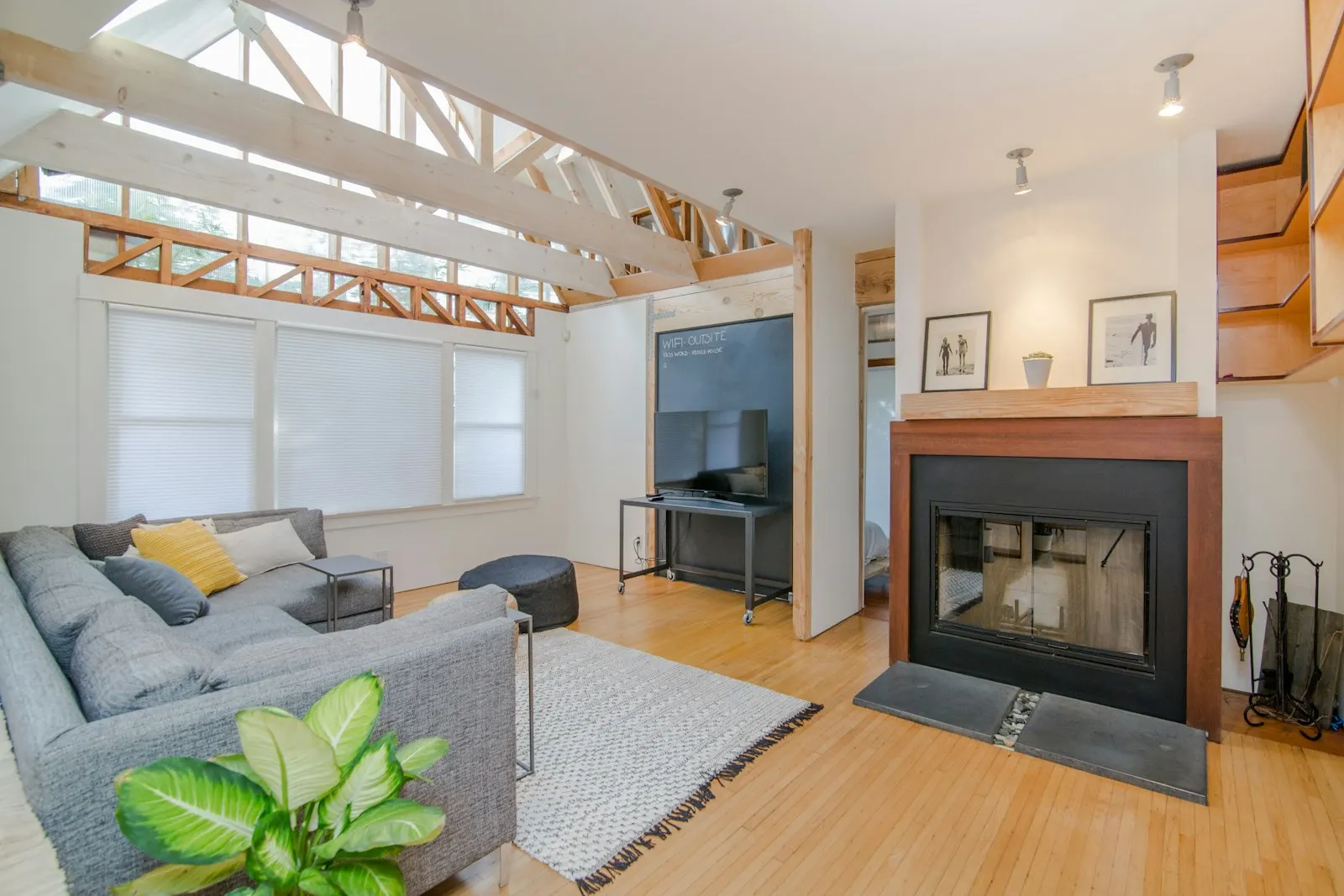
There is also a trust problem guests feel even when you are working hard. A great sofa cannot compensate for a code that arrives late or a thread nobody owns. Light ops are a guest experience. They are how a small host feels as reliable as a place with a lobby.
How the pieces fit together
Hotelyte makes the most sense as three habits sharing one stay, not as a pile of features you have to admire.
One inbox for the way guests actually write
Airbnb messages, WhatsApp, and the other guest threads you already live in should be visible in one queue, attached to the right home. You stop asking “which app was that?” and start asking “what does this stay need?” A co-host opening the same queue on Saturday sees the history, not a forwarded screenshot with the top cut off.
The inbox is not there to make you chat more. It is there to make sure the chat you already owe is findable, owned, and connected to dates and a listing. Saved answers cover the questions that never change. A human still handles money, safety, lockouts, and exceptions. An assistant can draft the repeatable lines — Wi‑Fi, trash, quiet hours — once your facts are written down. The point is a queue with context, not a robot with opinions.
A check-in link instead of a novel
Short-stay arrival fails when the instructions are a long message the guest cannot find while standing in the street. A check-in link is one URL for the stay: how to arrive, how access works, the house basics, and the timing. You send it when the information is true. The guest opens it on their phone. You update the link instead of hunting every old thread to correct a gate code.
That single page also quiets the inbox. People ask fewer “where do I go?” questions when the answer has a home. Your message can be short: “You’re all set — arrival details are here.” The link does the explaining. You do the exceptions.
Day-to-day ops that sit on the stay
Ops, for a host, are not a corporate word. They are turnover, notes, promises, and the little flags that keep a day honest. Early check-in requested. Cleaner confirmed. Extra towels. Baby cot. Checkout photo asked. When those notes live on the stay, next to the messages, the weekend handoff is a glance instead of a reconstruction.
This is the opposite of duct tape. Duct tape is a spreadsheet plus a personal WhatsApp plus a memory. A calm place means the stay is the center, and the tools hang off it. Messaging without the stay is a chat app. A check-in link without the thread is a PDF nobody updates. Together they feel light because you stop retyping the same plan into every channel.
Who it feels right for
The host who still has another job
You cannot watch Airbnb, WhatsApp, and a cleaner chat in the same hour as a normal workday. You need a queue you can clear at lunch and a check-in link that answers the standard questions while you are in the meeting. Hotelyte is aimed at that reality: hospitality that does not require you to be a full-time switchboard.
The co-host and the owner who both touch the guest
Owners often want to stay kind without living in the inbox. Co-hosts need authority and clarity, not a drip of voice notes. A shared workspace lets the owner see the tone of the stay and lets the co-host send instructions without inventing them. Permissions and habits matter here: who may promise a late checkout, who speaks to the cleaner, who covers nights. The software gives you one surface. You still write the agreement.
The small operator adding door number three
At one listing, charm and memory can pass for a system. At three, memory starts taxing you. City flat, beach studio, and the house with the finicky gate cannot share one blob of instructions. A light ops setup scales by copying structure, not chaos: each home gets its own facts, all homes share one way of working. You do not need a property-management suite designed for two hundred keys. You need the same calm you wanted at door number one, still intact at door number three.
Who should wait
If you want software to set your prices, replace your cleaner, or argue with guests, you are shopping for a different promise. Hotelyte is the communication and stay-ops layer. Your marketplace listings, your pricing judgment, and your people remain yours. Hosts who like that division of labor settle in faster than hosts who want a single magic button.
Step by step: moving a real portfolio onto calmer ops
Step 1 — Name the homes the way your team talks
“Listing A” fails at speed. Use the names you already say out loud: Garden Flat, Blue Door, Courtyard Studio. Every message template, check-in link, and note should wear that name. This tiny step prevents the most expensive mistake in short stays, which is sending the right warmth to the wrong address.
Step 2 — Put today’s threads in one queue
Before you redesign your brand, catch the live stays. Airbnb threads, WhatsApp conversations that are actually about a booking, and any email that contains a promise. Give each one an owner for the next 48 hours. A tool such as Hotelyte earns its place here: one operational home instead of a heroic memory. If a message is not in the queue, it is not handled, even if it felt handled in a side chat.
Step 3 — Write a one-page truth for each listing
Address clues, access method, Wi‑Fi, parking, trash, quiet hours, checkout, and what you will never promise. This page feeds your human replies, your check-in link, and any assistant you turn on later. If the page is sloppy, every channel will be sloppy in unison. That is not the goal. Clarity compounds.
Step 4 — Publish one check-in link and send it on purpose
Build the arrival page from the one-page truth. Decide when it goes out: often the day before, or the morning of, once the clean is real. Include only what the guest needs to arrive and settle. Keep internal notes internal. Read it on your phone in sunlight. If you have to pinch-zoom, it is not ready.
Step 5 — Agree the handoff in plain language
Write five lines with your co-host or cleaner. Who watches the inbox in the evening. What counts as urgent. How a late checkout gets approved. Where turnover status is marked. How a broken code is escalated. Hotelyte can hold the notes. It cannot invent the rule. Five lines beat a vague “we’ll figure it out.”
Step 6 — Run two weekends before you add sparkle
Do not automate everything on day one. Use the shared inbox. Send the link. Record promises on the stay. After two weekends, look at the questions that still arrived. Fix the link or the listing text so those questions shrink. Then, if you want, let an assistant draft the boring answers. Autonomy comes after evidence.
Step 7 — Add the next listing as a copy of the system, not a copy of the stress
Duplicate the structure. Replace every fact. Test the link. Book a pretend stay and message yourself. Only then open the calendar to real guests. Growth feels light when the second door inherits a method.

A day that feels light
Morning. You open one workspace. Two guests arrive today. The garden flat’s cleaner has marked the turnover on track, so the check-in link goes out with the gate note and the Wi‑Fi. The city studio has a late flight; you already told them the code will follow at 4, and that promise is on the stay, not in your head. A WhatsApp question about parking sits in the same queue as the Airbnb thread, with the studio’s parking line attached, so you do not describe the beach spot by accident.
Afternoon. Your co-host takes over. They do not call you. They see the late flight, the unsent code, and the house rule about quiet hours. A guest asks for noon check-in. The note from the cleaner says the previous checkout is 11, so your co-host offers bag drop instead of a fantasy yes. You are at a school event. The stay is still hosted.
Evening. The garden flat guest sends a photo, not a panic. You reply with one human sentence. The assistant, if you use one, has already handled “where are the mugs?” from the guide. Nothing about the day required five apps or a search through your camera roll. That is the feeling the product is for: ops that stay in the background so the home can be the memory.
Benefits you can actually feel
For you
- One place to clear, instead of a badge on every icon
- Arrival instructions you update once
- Fewer “sorry, wrong flat” moments
- A weekend that can be covered without a briefing novel
For co-hosts and cleaners
- The same story the guest received
- Promises visible before they become problems
- Less back-and-forth to reconstruct a day you already lived
For guests
- A reply that matches the door in front of them
- A link they can reopen without scrolling a chat
- The sense that a person is still there when something breaks the script
For the little business
- Reviews that mention how easy it was, not how confused they were
- A way to add a listing without adding a nervous system
- Room to invite past guests back on your own terms later, because the relationship is not trapped in a single app’s memory
- Less dependence on any one of you being heroic
Light does not mean careless. It means the care is designed. The towels are still folded. The rules are still real. The difference is that the folding and the rules do not require a scavenger hunt to enforce.
Problem, then solution
| Moment | Before (apps and memory) | After (one host workspace) |
|---|---|---|
| Guest asks for the Wi‑Fi in WhatsApp while the booking is on Airbnb | You search two apps and paste last month’s password | The stay is open, the current answer is on it |
| Cleaner running late | The warning sits in a group chat you muted | The arrival plan and the guest thread are side by side |
| Co-host covers Sunday | They guess which code you sent | Thread, link, and notes are already there |
| Instructions change | You edit five saved messages and miss one | You edit the check-in link guests actually open |
| Second listing | New chat, new notebook, new stress | Same rhythm, new facts |
| Guest is locked out | Panic across SMS and a personal phone | One owner, one stay, one backup path you wrote down |
The solution is not more discipline from an already tired host. The solution is a single operational home for messages, arrival, and the notes that keep turnover honest.
Best practices for keeping it light
- One stay, one story. If it was promised to the guest, it is written on the stay.
- Links over essays. Send a short note plus the check-in link. Save the novel for the page, where it can be updated.
- Listing-specific facts. Shared voice, separate guides. The city flat and the coastal house are not twins.
- Send access when it is true. A link that works at 4 should not pretend the home is ready at 10.
- Name an owner for nights. Shared access is not the same as shared responsibility. Someone is first.
- Keep marketplace rules intact. A stay that started on Airbnb stays on Airbnb. Your workspace organizes the care; it is not a tunnel for moving live bookings off-platform.
- Review the top questions monthly. If guests still ask, the link or the listing is shy on that detail.
- Start manual, then assist. Drafts and templates before autopilot. Autopilot only for answers you have stopped editing.
- Protect guest data like house keys. Only the people who operate the stay should see the threads and arrival details.
Tip: Once a month, arrive at your own listing as a guest. Open the message, open the link, find the kettle instructions. Every extra tap is ops weight you can still remove.
Common mistakes small hosts make when they adopt a tool
- Buying software instead of writing the five rules. A calm inbox with no night owner is still a silent phone.
- Moving every habit on day one. New inbox, new link, new assistant, new pricing idea, new brand. Pick the queue and the link. Let the rest wait.
- One check-in page for every home. It feels efficient for an afternoon and wrong forever after. Split the facts.
- Leaving WhatsApp as a shadow inbox. If guests can reach you there, those threads have to land in the same place as Airbnb, or you have recreated the old mess beside the new tool.
- Letting a template promise early check-in. Templates should state policy. Humans grant exceptions after they see the calendar and the cleaner.
- Hiding the workspace from the co-host to “keep things simple.” The weekend is when simplicity gets tested. Give them access before you need them.
- Treating the check-in link as a marketing page. Guests in a taxi need the door, not a slogan. Save the story for the listing.
- Ignoring the cleaner’s reality. Ops that feel light for the host and impossible for turnover are not light. Build the arrival time around the clean, then describe it honestly.
- Expecting the tool to supply your voice. Write ten lines you would actually say. The product can remember them. It should not invent a personality you would not stand next to.
What belongs where
| Job | Best home | Why it stays light | Leave it out of the guest’s face |
|---|---|---|---|
| New stranger finds the home | Airbnb or your public page | Discovery is a different job from daily ops | Internal notes, cleaner timing |
| “What’s the Wi‑Fi?” and live questions | Shared inbox on the stay | One queue, right listing, right history | A second secret chat on someone’s personal phone |
| How to arrive and get in | Check-in link | One URL you can update | A 40-line message they cannot scroll to |
| Late checkout yes or no | Human, noted on the stay | Judgment stays accountable | An automatic yes |
| Turnover status | Ops note the team can see | The inbox stops being a rumor mill | Guest-facing blame about the cleaner |
| Repeat-guest relationship | Your own follow-up after a good stay | Future bookings can be yours | Any nudge to cancel a live platform reservation |
| Emergency lockout | Named human, backup path already written | Speed plus a paper trail | A chatbot guessing a code |
Use the table when you are tempted to add another app. If the job already has a home, the new app has to replace that home, not sit beside it. Side-by-side tools are how “light” turns back into duct tape.
What “light” does not mean
Light does not mean absent. Guests can tell when a stay is unattended. Light means the standard path is smooth enough that your attention is available for the non-standard hour. The code works. The link opens. The Wi‑Fi is current. The person on call knows they are on call.
Light also does not mean cheap chaos. Skipping a written cancellation note, a receipt, or a house rule because “we’re small” is how small stays become expensive arguments. The lighter path is a few clear sentences stored once, not zero sentences stored nowhere.
And light does not mean you must sound like a hotel. Short-stay guests chose a home. Your messages can be brief and still sound like a person who knows which window sticks. Hotelyte’s job is to hold that voice next to the facts so the voice survives a busy month.
Getting started without a transformation program
You can feel a difference before you feel “fully set up.”
- Pick the listing that generates the most messages, not the prettiest one.
- Move its active threads into one queue and name an owner for the next seven days.
- Write the one-page truth and turn it into a single check-in link.
- Send that link on the next arrival. Watch which questions still come. Edit the link, not your patience.
- Invite the co-host or cleaner into the same picture before the next weekend.
- Only then decide whether saved replies or an assistant should take the repeat questions.
If that sequence sounds like the way you wish hosting already felt, you are the person Hotelyte is for: Airbnb and short-rental operators who want messaging, check-in links, and day-to-day ops in one calm place. Not a heavier system. A lighter day, with the home still at the center.
The hosts who stay in this work for years are rarely the ones with the most tools open. They are the ones who made the stay easy to see — for the guest, for the cleaner, and for whoever is holding the phone tonight. Start with one door, one queue, and one link. Let the coastal light, or the city window, do the showing off.
Frequently asked questions
Who is Hotelyte for among short-stay hosts?
Independent hosts, co-hosts, and small operators who juggle Airbnb and other guest threads and want messaging, check-in links, and daily ops in one calm workspace — without an enterprise system built for a big hotel chain.
Does Hotelyte replace Airbnb?
No. Airbnb and other marketplaces can still bring you new guests. Hotelyte is the operating layer for conversations, arrival details, and the work around each stay.
What problems does it actually calm down?
Scattered messages, check-in instructions that live in five notes, and handoffs between hosts, co-hosts, and cleaners that depend on memory.
Can a co-host work in the same place?
Yes. The point of one workspace is that the person covering the weekend sees the same stay, the same thread, and the same arrival plan you would see.
Is this only for people with many listings?
No. A single listing already produces enough messages and turnover details to benefit. The calm matters even more as you add a second or third door.
How do I start without a huge setup project?
Start with one listing, one inbox rhythm, and one check-in link that covers arrival, access, and house basics. Add the next listing only after that path feels easy.
Ready to try this with Hotelyte?
Centralize guest chats, check-in links, and day-to-day ops — without duct-taping five apps together.
Photos via Unsplash